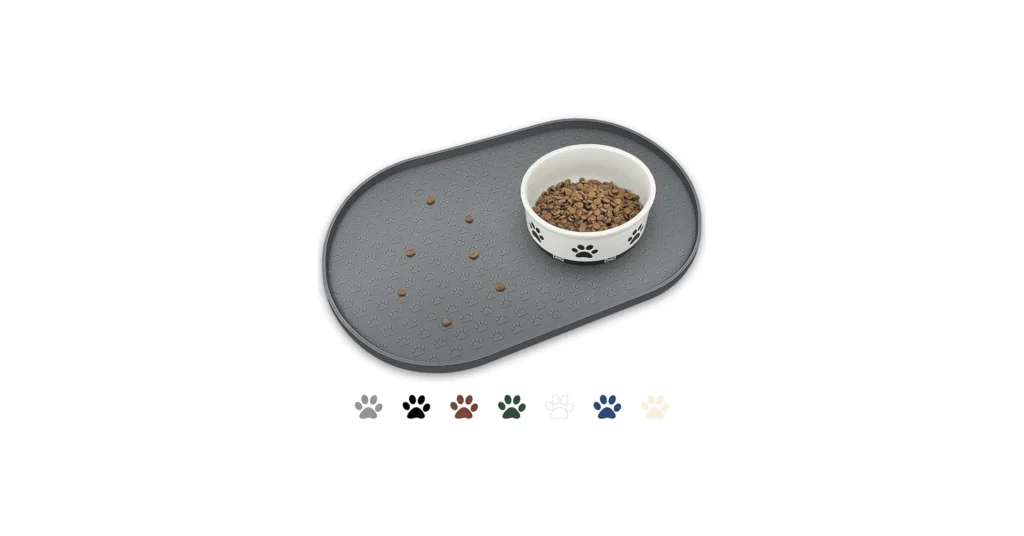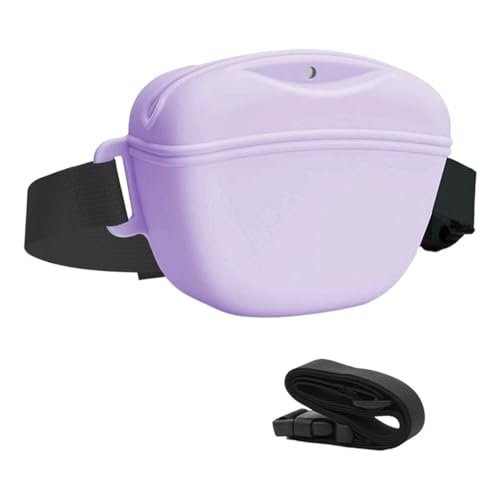

Color, logo and packaging turn a functional silicone item into a recognizable product. They also introduce decisions that affect sampling, minimum quantities, cost, consistency and lead time. Treating them as part of engineering—not last-minute decoration—usually produces a cleaner launch.
This guide outlines the questions Yobonjee discusses with brands sourcing kitchen, household, travel and pet products. The best option depends on the product geometry, surface, expected use, order volume and retail channel.
Color matching starts with a physical target
A screenshot, website hex code or phone photo can communicate direction, but screens render color differently. Provide a recognized color reference or a physical master when exact coordination matters. If the silicone must match plastic, fabric or printed packaging, identify which component is the controlling standard.
Silicone surface texture, thickness and lighting can affect how a color appears. The same color formula may look different on a polished product and a matte product. Approve a physical color sample in representative material and finish before production.
Plan the launch color range carefully
Each additional production color may require separate material preparation, machine cleaning, setup and inspection. A wide color range looks attractive in a catalogue but can divide the order into inefficient quantities. Many buyers begin with a focused palette and expand it after sales data shows which colors deserve reorders.
- State the quantity per color, not only the total quantity.
- Confirm whether mixed colors can share the same packaging.
- Use a revision-controlled color approval record.
- Discuss acceptable batch-to-batch variation.
- Retain an approved physical reference.
Choose a logo method for the real product surface
| Branding option | Works well when | Points to confirm |
|---|---|---|
| Raised or recessed molded logo | A durable, single-material mark is suitable | Tooling position, depth and legibility |
| Single-color surface printing | Contrast and fine visual branding are needed | Ink compatibility, curved surface and wear test |
| Multi-color print | The artwork requires more visual detail | Registration, color count, setup and minimum area |
| Debossed area with color fill | A dimensional mark and contrast are desired | Recess geometry, fill consistency and handling |
| Logo on another component | The silicone shape is difficult to decorate | Assembly orientation and material match |
| Packaging-led branding | A stock product needs market-specific presentation | Label adhesion, sleeve fit and retail visibility |
No method is automatically best. A molded mark is durable but is tied to tooling. Printing can offer stronger contrast, but the artwork must suit the available surface and should be validated for normal handling. On a very flexible or textured area, fine lines may not reproduce as expected.
Prepare artwork that manufacturing can use
Supply vector artwork rather than a small web image. Mark the logo’s dimensions and position on a drawing, including orientation when the product can be viewed from several sides. For printed branding, define color references and identify whether white underprinting or multiple passes may be needed.
Request a decorated sample and check it after realistic flexing, washing or rubbing where relevant. The test method should match how the product will be handled, not an undefined promise that the print will “never come off.”
Packaging has three jobs
- Protect: keep the product clean and prevent deformation or surface damage.
- Inform: carry the product name, instructions, barcode, warnings and required business information.
- Sell: communicate the brand and allow the customer to understand the product quickly.
A basic protective bag, paper sleeve, hanging card, printed box or display-ready pack can each be suitable in the right channel. Online sales may prioritize shipping protection and compact size; a physical store may need hanging features and stronger front-of-pack communication.
Account for silicone’s flexibility in the pack
Foldable products can reduce carton volume, but prolonged compression may affect presentation when the customer opens the package. Test the full packing method and recovery time. Keep printed surfaces away from areas that rub, and prevent accessories from pressing permanent shapes into soft parts.
For sets such as food-storage products, confirm that lids and containers remain paired and protected. For an item containing several materials, review whether odor or ink transfer from packaging could affect the customer’s first impression.
What to put in the packaging specification
- Packaging type, material and finished dimensions
- Approved artwork and dieline revision
- Product folding or nesting method
- Accessories and instruction sheet
- Barcode, labels and market-specific text
- Units per inner and master carton
- Carton marks and any handling instruction
- Acceptable appearance after unpacking
Common mistakes to avoid
Do not approve color from a phone screen, send logo artwork without dimensions, or order printed boxes before the product size is frozen. Avoid splitting a small first order across too many colors without checking the commercial effect. Most importantly, do not assume the factory knows which visual detail your brand considers critical—mark it on the specification and sample approval.
Build a coordinated but practical product range
A consistent palette, repeatable logo placement and a small family of packaging formats can make several products feel related without forcing every item into the same solution. Review the shapes and categories in our product catalogue for development ideas, then select branding methods that suit each product’s construction.
To discuss custom colors, branding or packaging, send the product reference, target colors, vector logo, quantity per variation and sales channel through our contact page. We can review the combination before sampling and highlight the decisions that may affect tooling, MOQ or lead time.
Useful next step: See Yobonjee’s silicone OEM/ODM process and use common silicone production challenges as part of your supplier evaluation.