
Three questions appear in almost every custom silicone enquiry: What is the minimum order quantity? How much will the mold cost? How quickly can the order be ready?
They are reasonable questions, but there is no responsible single answer without a product specification. MOQ, tooling and lead time are connected to the design, manufacturing process, color plan, packaging and testing scope. Understanding those connections helps a buyer negotiate the right project structure instead of chasing a number that later changes.
Why MOQ varies between silicone products
MOQ is not only a factory policy. It reflects the amount of preparation required to produce a stable batch. Material mixing, color matching, machine setup, mold heating, trimming, inspection and packaging all have fixed work before the first sellable unit is completed.
A simple item in one standard color may be easier to arrange than a multi-part product with several custom colors and printed packaging. A product assembled from silicone and plastic components may also be limited by the MOQ of the purchased component rather than the silicone molding itself.
| Cost or timing driver | Typical impact | What the buyer can do |
|---|---|---|
| Multiple custom colors | More material preparation and changeovers | Start with fewer launch colors |
| Complex or heavy part | Longer molding cycle and higher material use | Review dimensions and wall thickness early |
| Several components | More sourcing, assembly and inspection | Define every component in the BOM |
| Custom retail packaging | Separate printing MOQ and approval time | Ask for plain-pack and custom-pack options |
| Market-specific testing | Additional samples, fees and laboratory time | Confirm the applicable standard before quoting |
| Peak production period | Less flexible capacity | Share a realistic demand forecast |
A low MOQ can have a higher unit cost
When a setup cost is spread across a small batch, the unit price rises. That does not mean a small first order is a bad decision. It may be sensible for market validation, especially when the buyer accepts a simpler color or packaging plan. The key is to ask for transparent options: sample quantity, trial order and regular production quantity, with the scope clearly stated for each.
What determines silicone tooling cost?
A mold is designed around the part geometry and expected production method. Size, number of cavities, undercuts, inserts, parting-line requirements, surface texture, precision and expected tool life all affect its construction. A small-looking product is not automatically a simple tool.
- Part dimensions and weight: larger parts require more mold material and machine capacity.
- Cavity count: more cavities can increase output, but also increase tooling size and initial cost.
- Geometry: difficult release, thin sections or deep features may need a more complex solution.
- Surface and logo: texture, polished areas and precise branding need controlled tooling work.
- Tolerance: critical sealing or assembly dimensions may require tighter mold control and more validation.
Ask whether the quote is for a prototype tool, a production tool or a modification to an existing mold. Also confirm mold ownership, storage, maintenance and what happens if engineering changes are requested after approval.
Tooling cost and unit price should be evaluated together
The cheapest tool is not always the lowest-cost choice over the life of a product. A tool with insufficient capacity may create a higher unit price or a longer production schedule. On the other hand, investing in excessive capacity before demand is proven can tie up budget unnecessarily.
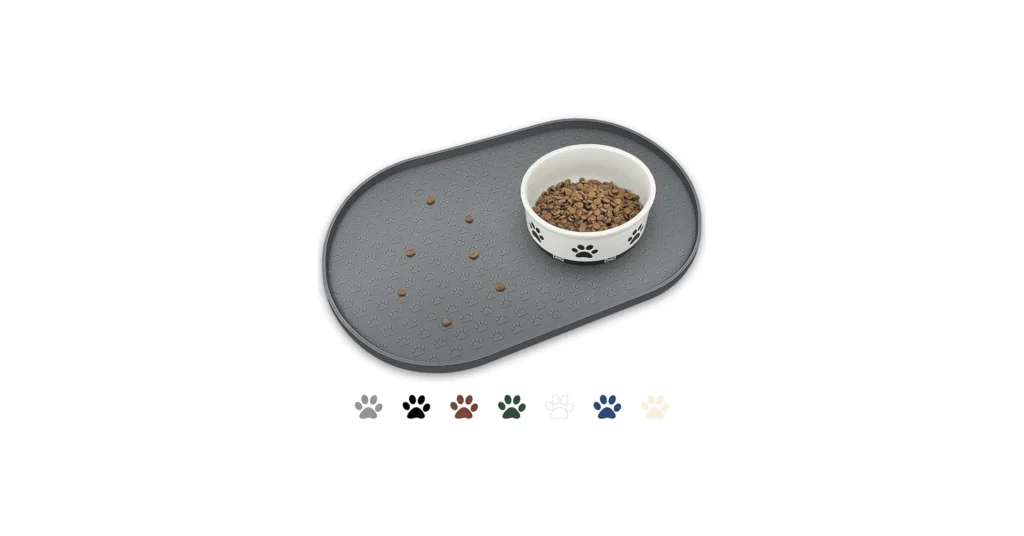
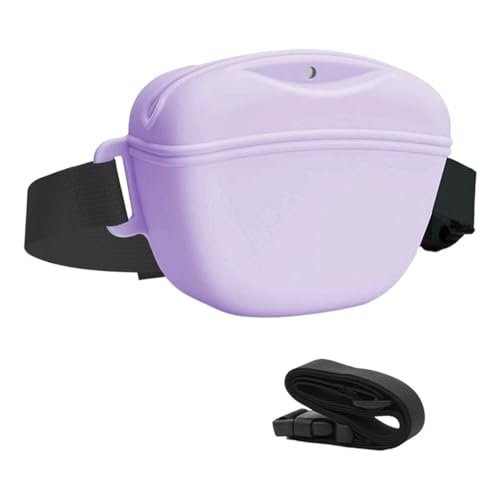
A useful discussion includes forecast volume, likely reorder frequency and the number of colors. Buyers exploring kitchen gadgets, for example, may need a different commercial approach from a brand building a coordinated range of pet products.
What “lead time” actually includes
Lead time is often quoted as if it were one uninterrupted production period. In practice, a custom project contains several clocks: engineering review, tooling, trial samples, buyer feedback, revisions, material preparation, mass production, packaging and inspection. Shipping time begins only after the goods are released.
- Development lead time: design review, drawing confirmation, tooling and sample iterations.
- Approval lead time: the buyer’s internal testing, decisions and artwork approval.
- Production lead time: material, molding, secondary operations, assembly and packing.
- Logistics lead time: export preparation and the selected transport method.
When requesting a schedule, provide the required delivery date and ask for the planned dates of each major approval. A statement such as “production takes several weeks after final sample and packaging approval” is more useful than a fast headline that excludes prerequisites.
Ways to control cost without weakening the product
- Launch with one or two colors, then add variants after demand is clearer.
- Use a stock packaging format for the first market test where appropriate.
- Avoid unnecessary thickness that adds material without improving function.
- Freeze dimensions and logo details before tooling starts.
- Combine the forecast for related items when planning orders.
- Provide complete information so suppliers quote the same scope.
Questions to ask when comparing quotations
Check whether prices use the same material assumption, color quantity, logo process, packaging, inspection level and trade terms. Confirm whether sample costs, testing, mold changes and freight are included or separate. If one quotation is much lower, locate the missing scope before deciding.
For a project-specific review, send us the drawing or reference, estimated order quantity, target market, color plan and packaging idea through the Yobonjee contact page. We will base the discussion on the product you actually want to manufacture rather than a generic MOQ or lead-time promise.
Further reading: Compare Yobonjee’s silicone OEM/ODM process, then review common silicone production challenges before finalizing the project brief.